 My Favourites


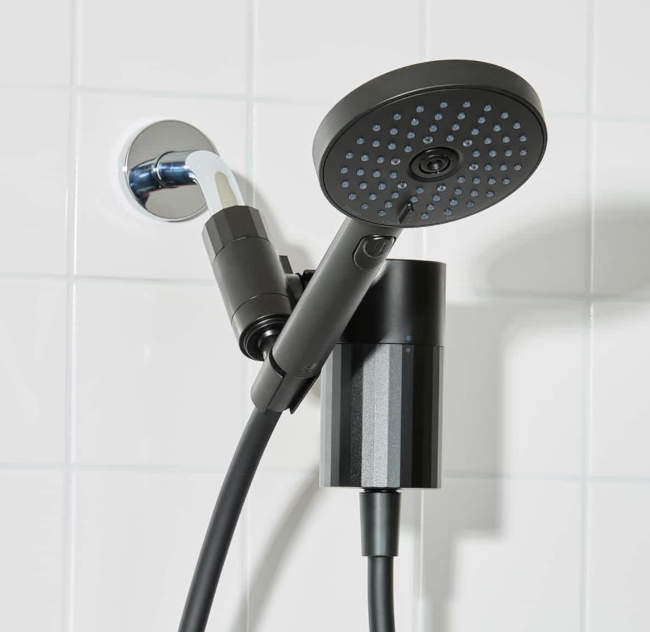
Shower water touches more than your skin on any given morning. It can shape how your hair feels, how your fixtures hold up over time, and whether that post-shower dryness is actually about the water itself. The trouble is, there’s no universal fix. The right treatment depends entirely on what’s actually going wrong, whether that’s a chlorine smell, sediment, mineral buildup, or just a lingering tightness in your skin after rinsing. When weighing your options, a black filtered shower head might catch your eye for pairing filtration with a sleek bathroom aesthetic, but it’s worth judging performance claims on their own merits, separate from how the thing looks. This guide walks through how to pin down your actual water concern, read manufacturer claims with a critical eye, and land on a solution that fits your situation—rather than assuming any single filter can handle every problem you throw at it.
Start With the Water Problem You Want to Solve
Figure out what you’re actually dealing with before you buy anything, because treatment methods aren’t interchangeable. Chlorine odor, hard-water minerals like calcium and magnesium, visible sediment, rust stains, and uneven water pressure are all separate issues, and each calls for a different fix. A filter built to cut chlorine won’t necessarily touch minerals, bacteria, or heavy metals. It’s also worth keeping in mind that shower filters are generally point-of-use devices—they treat water at one fixture, not your entire home’s supply.
Before you spend a dime, pull up your local water-quality report if one’s available, or just call your water provider and ask. If you’re seeing unusual discoloration, a persistent smell, or sudden changes in how your water looks, a qualified water professional will give you far more reliable answers than guesswork ever could. Trusting your own observations is a reasonable starting point, but when the concern is serious, it shouldn’t replace actual testing.
Understand What Shower Filters Can and Cannot Do
Most shower filters rely on activated carbon, KDF or similar specialty media, sediment screens, or some combination of these. How effective any of them turns out to be depends on your water chemistry, flow rate, contact time, and how consistently you keep up with maintenance—no single media type wins out across the board.
NSF/ANSI 177 is a voluntary standard tied to shower filtration systems and their chlorine-reduction performance. That said, certification doesn’t mean a product removes every contaminant under the sun—it just confirms the product meets a specific set of tested criteria. Shower filters aren’t stand-ins for drinking-water systems or whole-home treatment, and since hard water and chlorine call for entirely different approaches, a carbon filter shouldn’t be marketed—or expected—to solve mineral buildup.
Key takeaway: Judge a filter only against the specific contaminant or concern it was actually designed and tested to handle.
Compare the Main Treatment Options
Option
Best For
Limitations
Shower filter
Chlorine odor, localized aesthetic concerns
Limited scope, requires cartridge replacement
Whole-home system
Multiple fixtures affected, verified contaminants
Higher cost, professional installation often needed
Water softener
Hardness minerals, scale buildup
Not designed for chlorine reduction
A shower filter tends to make the most sense for renters or anyone dealing with one specific, well-defined concern. Whole-home treatment becomes worth considering once multiple fixtures show the same problem, or once a verified contaminant requires more specialized handling. Water softeners, meanwhile, are built specifically for hardness—so scale buildup on fixtures or soap that just won’t lather properly points you toward a softener rather than a carbon filter.
Evaluate Product Claims Before Buying
Be wary of vague marketing language like “detoxifying” or “removes impurities”—it sounds good but says almost nothing. Instead, look for specifics: which contaminant is actually addressed, what testing method backs up the claim, the rated flow rate, the rated capacity, and how often you’ll need to replace the cartridge. It also pays to confirm whether certification covers the entire product or just a single component within it.
Questions to ask before choosing a shower filter:
– What specific contaminant is this filter tested to reduce?
– What is the rated capacity and replacement schedule?
– Will it fit my existing shower arm, hose, or bracket?
– Does it maintain adequate water pressure?
– Is the finish durable and easy to clean?
Installation, Maintenance, and Safe Use
Stick closely to the manufacturer’s instructions, use proper sealing without cranking it down too tight, and check for leaks once it’s installed. Replace cartridges on schedule—reduced flow, a strange smell, or any change in how the water looks are all signs you’ve waited too long. A filter doesn’t just stay effective forever simply because water keeps flowing through it.
Picture two different situations: a renter dealing with a chlorine smell might reasonably reach for a simple shower filter, while a homeowner fighting visible scale across several fixtures is probably better served by a softening system instead. And filters aren’t a workaround for suspected microbial contamination or serious plumbing problems—those situations genuinely call for professional evaluation.
Assess Whether the Solution Is Working
Decide what success looks like before you even install anything: less odor, less visible sediment, steadier flow, fewer deposits. Feeling more comfortable in the shower matters, but comfort alone doesn’t prove the contaminant is actually gone. For anything technical or health-related, measure your results against water testing or documented specs, and if skin issues persist, see a dermatologist rather than assuming the filter is either the cause or the cure.
Common Mistakes to Avoid
- Choosing based on color or design alone
- Assuming all filters remove hard-water minerals
- Ignoring flow rate and capacity ratings
- Delaying cartridge replacement
- Treating certification as proof against every contaminant
- Using a shower filter for whole-home contamination issues
Practical Decision Framework
If chlorine odor is your main complaint, look for documented chlorine-reduction performance. If scale or soap residue is the issue, look into hardness and consider a softener. If sediment or discoloration shows up throughout your home, track down the source before you buy anything. And if contamination is a real possibility, get it tested rather than banking on a standard shower filter to handle it.
Match the Tool to the Problem
Nail down your water concern first, match the treatment to that specific issue, verify the claims against recognized standards, and plan for the ongoing maintenance that comes with it. The best choice isn’t necessarily the most elaborate one—it’s the one whose documented capabilities actually line up with what your household needs. Before you buy, write down the exact problem you’re trying to solve, then measure every candidate against that one requirement.




Speak Your Mind