 My Favourites


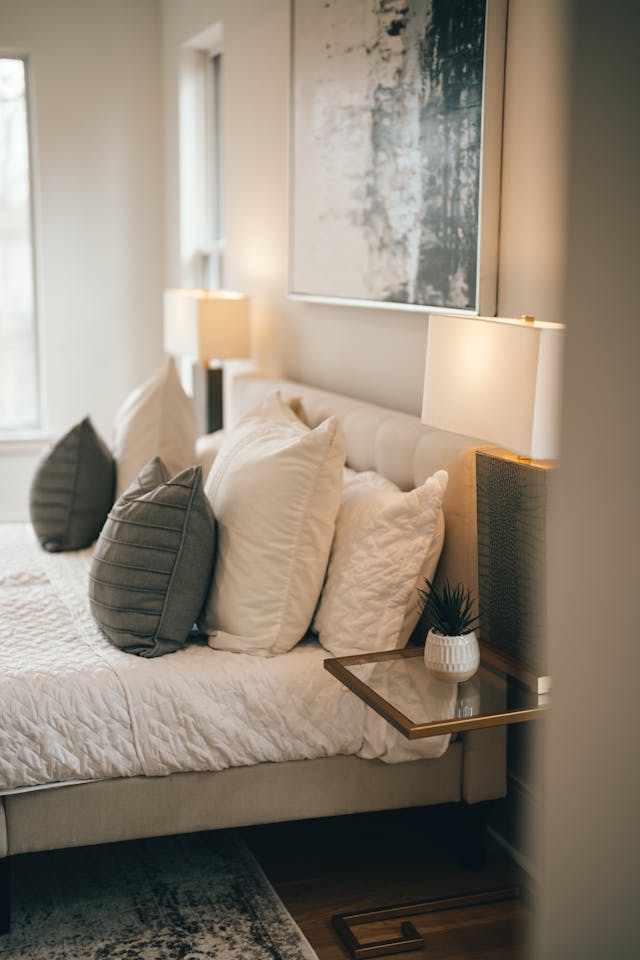
Bedrooms rarely change through grand gestures. They evolve quietly, through layers, through choices that feel almost insignificant in isolation.
A different fabric here. A shifted light source there. Over time, those decisions shape how a room behaves, not just how it looks.
Across cultures, climates, and living habits, bedrooms reveal a shared truth: comfort is constructed in details. Walls set boundaries, furniture sets function, but textiles and small touches decide atmosphere.
They soften edges, absorb sound, manage temperature, and communicate care without words.
What Bedrooms Around the World Get Right
Before focusing on individual elements, it helps to notice how bedrooms are approached globally. Not in terms of trends, but priorities. The most memorable spaces tend to solve local problems quietly, using materials and arrangements that respond to everyday life.
Japan: Precision, Restraint, and Tactile Calm

Japanese bedrooms often appear minimal at first glance, yet they rely heavily on texture. Tatami mats underfoot provide softness without clutter. Futons fold away, but the fabrics themselves carry weight and warmth.
Textiles here are not decorative extras. They regulate temperature, absorb sound, and ground the body. Neutral palettes allow texture to do the talking. A woven mat, a cotton coverlet, a paper lamp—each element plays a functional role.
Italy: Warmth Through Layers, Not Excess
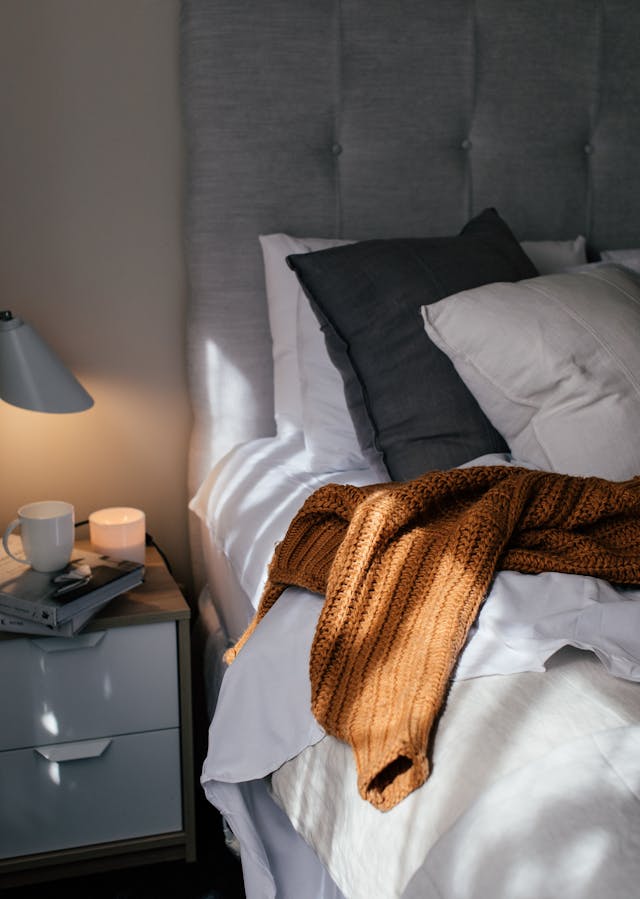
Italian bedrooms lean into fabric as an emotional tool. Linen sheets, wool throws, upholstered headboards—all layered with intent. The room feels lived in, not styled.
Curtains are substantial. Rugs anchor beds rather than decorate floors. Even in modest spaces, softness takes priority over visual restraint. The result is a room that invites rest through familiarity.
Scandinavia: Light Management as a Textile Skill
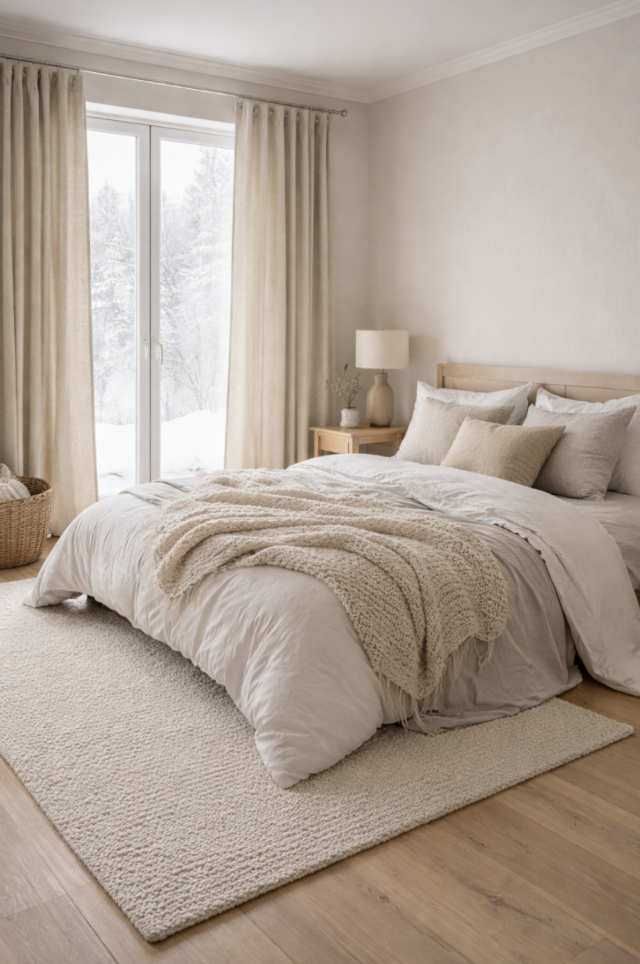
In Nordic countries, bedrooms manage extreme shifts in daylight. Textiles become instruments of control. Thick curtains block summer light. Layered bedding adjusts easily for temperature changes.
The palette stays quiet, but textures vary deliberately. Knitted throws, brushed cotton sheets, and wool rugs add depth without visual noise. Softness here is practical, not ornamental.
New Zealand: A Quiet Focus on Balance
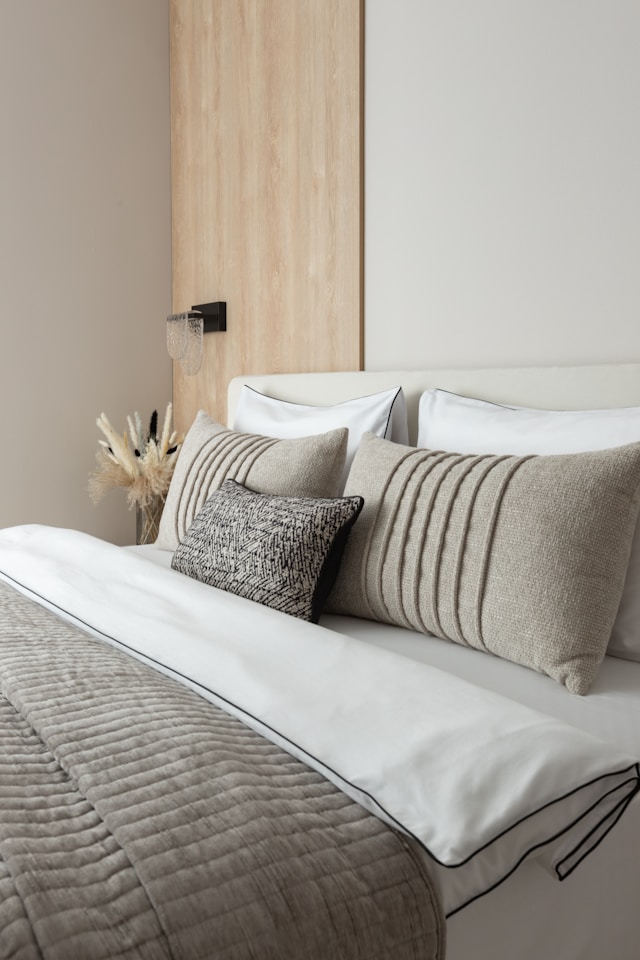
New Zealand bedrooms sit at an intersection of openness and restraint. Influenced by landscape and lifestyle, they often prioritize airflow, natural light, and materials that feel honest rather than polished.
Homes tend to avoid heaviness. Instead, comfort arrives through thoughtful proportions and understated layers.
Simplicity That Still Feels Complete
Beds remain central, not oversized for drama but scaled for ease. This is where the range of double beds at BedPost fits naturally into the picture — reflecting a preference for well-made, practical sleeping spaces that support everyday living rather than visual excess. The focus stays on comfort and proportion, not spectacle.
This approach mirrors a broader design mindset: invest in pieces that last, then soften them with textiles that can change with seasons and moods.
Natural Fibres, Natural Rhythm
Linen, cotton, and wool dominate. They breathe well, age gracefully, and feel appropriate in a climate that shifts without extremes. Bedrooms feel adaptable, ready to respond rather than dictate.
Softness here is quiet, almost unannounced.
The Power of Fabric Where You Least Expect It
Textiles do more than dress beds. They influence acoustics, temperature, and how the body unwinds. Many of the most impactful changes happen away from the obvious focal points.
Curtains as Emotional Architecture
Curtains define how a room opens and closes to the world. Heavy drapes create enclosure. Sheer layers invite light without exposure.
In bedrooms, this control becomes psychological. The ability to soften morning light or block street glow directly affects sleep quality and may result in a headache. Fabric weight and weave matter more than pattern.
Rugs That Anchor, Not Decorate
A rug beside or beneath a bed does more than warm feet. It absorbs sound. It stabilizes the space visually. It signals rest.
Rooms without rugs often feel incomplete, even if everything else is in place. Texture underfoot grounds the body in subtle ways.

Small Touches That Change How a Room Feels
Not every improvement requires a large purchase. Many shifts come from adjustments that feel almost too minor to matter—until they do.
Cushions That Serve a Purpose
Throw pillows often get dismissed as decorative clutter. In bedrooms, their function matters more than their appearance. Proper back support for reading. A soft barrier between body and headboard. A sense of enclosure when lying down.
The right number is usually fewer than expected, but better chosen.
Throws That Invite Pause
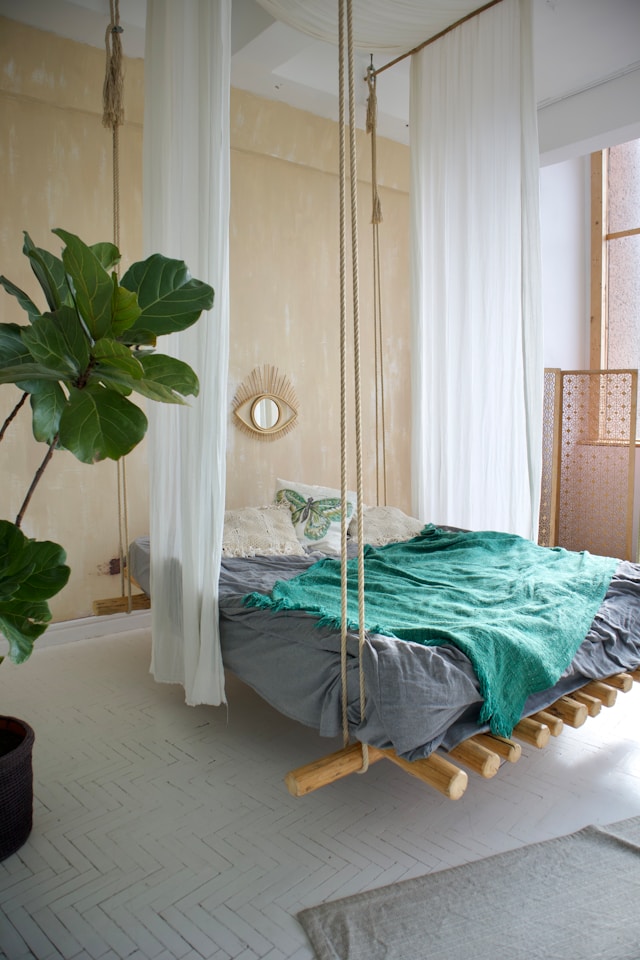
A throw at the foot of the bed signals permission to rest. It adds visual weight and functional warmth. Folded loosely, it suggests use rather than display.
Materials matter here. Wool blends offer warmth without bulk. Cotton adds softness without overheating.
Lighting as a Textile Companion
Light interacts with fabric constantly. The two should be considered together, not separately.
Soft Lamps Over Hard Fixtures
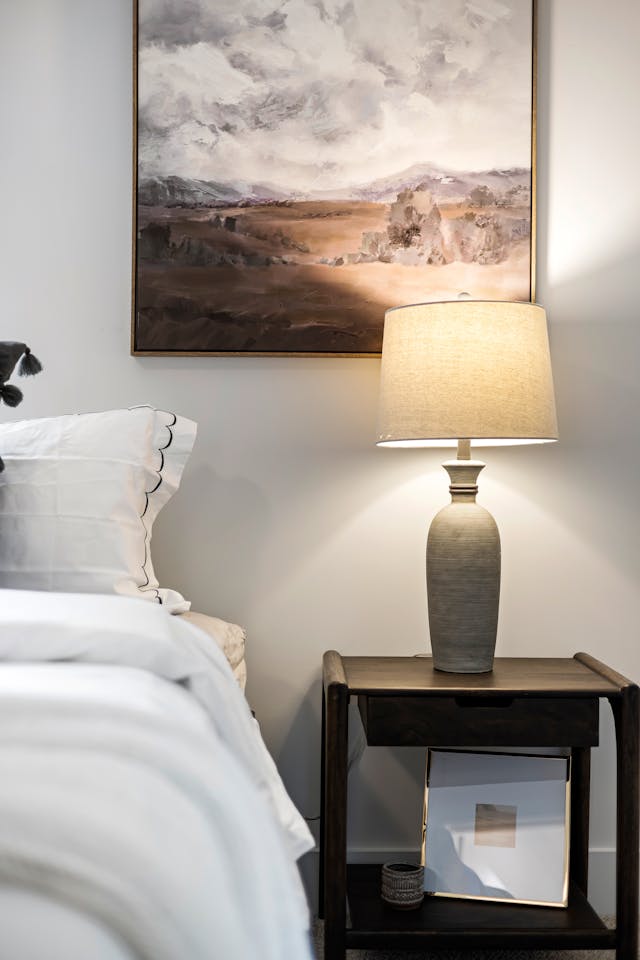
Bedrooms benefit from layered lighting. Lamps with fabric shades diffuse light, reducing glare and sharp contrast. The result feels calmer even at the same brightness level.
Fabric shades also add texture to the room when lights are off, contributing visually even in daylight.
Reflective vs Absorptive Surfaces
Textiles absorb light. Hard surfaces reflect it. Balancing the two shapes atmosphere. A room with too many reflective surfaces feels restless. Too many absorptive ones feel heavy.
The goal sits somewhere in between.
Seasonal Shifts Without Redesign
Seasonal change is where textiles show their long-term value most clearly. Bedrooms that rely on structural changes or rigid design concepts struggle to adapt, while rooms built around flexible layers respond easily. The core of the space stays intact; only the surface adjusts.
This adaptability matters because sleep quality shifts with temperature, daylight, and daily rhythm. A bedroom that can change without disruption supports consistency, which is especially important in spaces designed for rest rather than visual impact.
Summer Adjustments That Actually Work
In warmer months, bedrooms benefit from subtraction rather than addition. Lighter bedding replaces heavier layers, not for style but for airflow. Natural fibers stay relevant here, as they release heat instead of trapping it.
Curtains shift from insulation to filtration. Sheer fabrics allow light to pass through while softening its intensity, preventing early mornings from feeling abrupt. Rugs may remain in place, but thinner textures reduce visual and physical weight. The room stays familiar, just less dense.
Winter Weight Without Overcrowding
Cold months require a different strategy, but not a complete reversal. Heavier throws and layered quilts introduce warmth without changing the bed’s structure. Textures grow thicker, not louder.
Curtains take on greater responsibility, closing earlier and sealing the room more completely. Rugs feel more essential, not decorative. These additions don’t overwhelm the space because they were planned as part of a system, not seasonal fixes.
Why These Details Last Longer Than Trends
Bedrooms designed around touch, temperature, and use tend to age better than those driven by visual fashion. Trends prioritize appearance at a single point in time. Textiles respond to daily interaction over years.
This distinction explains why some rooms continue to feel comfortable long after their original design moment has passed. They were built around behavior, not imagery.
Materials That Improve With Time
Natural textiles change slowly. Linen softens. Wool compresses and becomes more forgiving. Cotton loses stiffness and gains comfort. These shifts make the room feel increasingly lived in rather than worn.
Synthetic alternatives often move in the opposite direction, degrading instead of settling. Bedrooms built around materials that age well require fewer replacements and less reinvention.
Design That Allows Personal Accumulation
Textile-based design leaves room for gradual personalization. A new throw added years later doesn’t disrupt the room. A different pillow texture integrates without conflict.
This flexibility prevents stagnation. The room evolves alongside its occupants instead of being locked to a single aesthetic decision.
The Room You Actually Live In
A bedroom does not exist to be admired in stillness. It supports movement, fatigue, routine, and interruption. People sit on the edge of the bed, fold laundry mid-conversation, read half a chapter before sleep interrupts.
Design choices that ignore this reality often look finished but feel incomplete. Textiles respond to movement and use, absorbing sound, adjusting temperature, and offering physical reassurance.
Comfort as a Functional Outcome
When softness is treated as a structural component rather than decoration, comfort becomes predictable. The room behaves consistently across different moods and times of day.
This predictability matters more than perfection. Parents, professionals, and anyone managing full schedules benefit from spaces that do not require adjustment every time they’re used.
Why Small Touches Carry Long-Term Weight
Minor elements—an extra layer at the foot of the bed, a heavier curtain, a rug placed slightly wider—shape experience more than dramatic changes ever do. They influence how the body settles and how the mind disengages.
These choices rarely draw attention. Their success lies in how quickly they disappear into routine.
A Bedroom That Holds Its Shape
Across countries, climates, and lifestyles, the most effective bedrooms share a common logic. They rely on soft systems rather than rigid statements. They adapt without announcing change. They prioritize how the room feels at the end of a long day.
Soft textiles and small touches don’t just finish a bedroom. They give it endurance. They allow the space to hold its shape as life shifts around it.
That consistency—not novelty—is what makes a bedroom last.





Speak Your Mind