 My Favourites

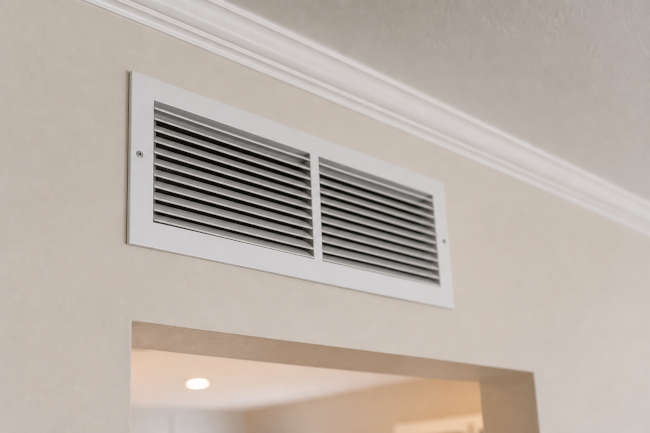
Most people never think about what lives inside their ductwork. Yet every time your HVAC system runs, it pulls air through those hidden passages and delivers it directly into your living space. If the ducts are dirty, so is the air you breathe. Professional duct cleaning targets the buildup that accumulates silently over the years, and the results are measurable. This article breaks down exactly how indoor air quality changes after a professional service, what contaminants get removed, and how to tell if your home is overdue for a cleaning.
What Builds Up Inside Your Ducts Over Time
Most homeowners are surprised when they see what a professional pulls out of their ductwork. Ducts are dark, enclosed, and rarely inspected, which makes them an ideal environment for accumulation. Over months and years, a wide range of contaminants settle into the duct system and cycle back into your home’s air supply.
Dust, Debris, and Pet Dander
Household dust contains far more than dirt particles. It collects dead skin cells, textile fibers, pet dander, and fine debris that slip past air filters over time. In a typical home, this layer of buildup coats the interior walls of ducts and gets redistributed into every room each time the system runs. If you have pets, the volume of dander trapped inside your ductwork can be substantial. Even with regular filter changes, fine particles still find their way deeper into the system. If you’re searching for the best air duct cleaning near you, this is one of the primary reasons professionals recommend periodic cleaning rather than relying on filters alone.
Mold Spores and Moisture-Related Growth
Moisture is the other major factor. Any condensation inside the duct system creates a surface where mold spores can settle and grow. This is especially common in humid climates or in homes where the HVAC system has an older or undersized unit that causes the ducts to sweat. Mold colonies inside ducts are not always visible from a vent opening, which means a homeowner may have no idea the problem exists. Once mold takes hold, the system spreads spores throughout the entire home with every cycle.
Chemical Residues and VOCs
Beyond biological contaminants, ductwork also holds onto chemical residues. Volatile organic compounds (VOCs) from paints, cleaning products, adhesives, and synthetic materials off-gas into the air and get drawn into the HVAC system. Some of these compounds bind to dust particles already settled in the ducts. Over time, your duct system can act as a reservoir of these residues, slowly releasing them back into the air. This is a factor many homeowners overlook, particularly after renovations or new furniture purchases.
The Measurable Air Quality Improvements After Professional Duct Cleaning
Professional duct cleaning does not just remove visible dust. It uses specialized equipment, including high-powered vacuums and rotary brushes, to dislodge and extract contaminants from the full length of the duct system. The improvements in air quality that follow are tangible and, in many cases, immediate.
Reduction in Airborne Allergens, Dust, and Pollutants
One of the most noticeable changes after a professional cleaning is the drop in airborne particle levels. Studies from organizations focused on indoor environmental quality have found that properly cleaned ducts distribute significantly fewer dust particles and allergens into living spaces. For households with allergy sufferers or asthma patients, this reduction in particulate matter can translate directly into fewer symptoms. You may notice less dust accumulating on surfaces, cleaner air around vents, and an overall lighter feel to the air in your home. These are not small quality-of-life improvements. For sensitive individuals, they can be genuinely life-altering.
How Mold and Microbial Contaminants Are Addressed
A professional duct cleaning service goes beyond surface-level debris removal. Technicians use negative-pressure equipment to extract microbial contaminants from deep within the system. In cases where mold growth is confirmed, antimicrobial treatments may be applied to prevent regrowth. This step matters because even after the visible mold is removed, spores can remain on duct surfaces and restart the cycle. Professional-grade treatments address both the active growth and the residual spore load, giving your system a clean baseline to operate from. The result is air that no longer carries mold spores with every cycle of the HVAC system.
How Clean Ducts Support Respiratory Health and Overall Well-being
The connection between clean ductwork and respiratory health is direct. Every breath you take indoors passes through the air your HVAC system conditions and distributes. If that air carries allergens, mold spores, or fine particulate matter, your lungs are exposed to those contaminants continuously.
For people with asthma, the impact is especially significant. Airborne triggers like dust mite debris, pet dander, and mold spores are among the most common causes of asthma flare-ups indoors. A professionally cleaned duct system reduces the concentration of these triggers in the circulated air, which lowers the frequency and severity of reactions.
But you don’t have to have a diagnosed respiratory condition to feel the difference. Many people report sleeping better, feeling less fatigued during the day, and experiencing fewer headaches after their ducts are cleaned. These effects are likely tied to a reduction in low-level particulate exposure that, over time, creates a subtle but persistent stress on the body’s immune and respiratory systems.
Children and older adults are particularly susceptible to poor indoor air quality. Because they spend more time indoors and often have developing or more vulnerable respiratory systems, the quality of circulated air in your home has an outsized effect on their health. Clean ducts contribute directly to a safer, healthier indoor environment for the people who are most at risk.
Signs Your Home’s Air Quality Could Benefit From Duct Cleaning
Not every home needs its ducts cleaned on the same schedule. But there are specific indicators that suggest your system may be due for a professional service sooner rather than later.
If dust seems to reappear on surfaces within days of cleaning, that is often a sign your HVAC system is redistributing accumulated debris. Musty or stale odors coming from vents, especially at startup, are another clear signal. These smells can point to mold, mildew, or trapped moisture somewhere in the duct network.
An increase in allergy or asthma symptoms among household members, with no change in outdoor pollen levels or other environmental factors, is worth paying attention to. If symptoms get worse primarily indoors, the duct system is a logical place to investigate.
New construction or a recent renovation is another strong reason to schedule a cleaning. Drywall dust, insulation fibers, and construction debris are extremely fine and can saturate a duct system quickly. The same applies if your home has recently had a pest infestation, since rodent droppings and debris left in ducts pose a direct health risk.
Finally, if you cannot remember the last time your ducts were professionally cleaned, that alone is sufficient reason to have an inspection. Most experts suggest a professional evaluation every three to five years under normal conditions, with more frequent service in homes with pets, smokers, or occupants with respiratory sensitivities.
Conclusion
Clean ducts are not a luxury. They are a straightforward investment in the air quality of the space where you spend the most time. After a professional cleaning, the difference in particulate levels, allergen load, and overall air freshness is real and measurable. If your home shows any of the warning signs discussed here, do not wait. Schedule an inspection and take an informed step toward genuinely cleaner indoor air.





Speak Your Mind