 My Favourites

Certain styles seem to exist outside of place. They move effortlessly from one city to another, never feeling out of context, never appearing dated or overly specific. Whether seen on a Paris street, in a quiet café or within a thoughtfully curated interior, these styles carry a sense of balance that feels universal.
Timelessness in style is rarely about standing out. More often, it is about blending in without disappearing. Shapes that endure tend to do so because they feel familiar, grounded and visually resolved. They do not rely on trend cycles to justify their presence.
Parisian style is often associated with this quiet confidence. It favours restraint over excess, and ease over effort. Rather than chasing novelty, it leans into pieces that feel settled and intentional. The result is an aesthetic that feels natural rather than constructed.
What makes this approach so transportable is its reliance on proportion. When something is well balanced, it adapts easily to different environments. It does not need reinvention to feel relevant elsewhere. It simply works.
Across cities, timeless style often reveals itself through repeated visual cues. Soft silhouettes, warm tones and familiar forms appear again and again. They provide continuity in places that are otherwise constantly changing.
In fashion, this might take the form of neutral palettes and uncomplicated tailoring. In interiors, it appears through natural materials and gentle shapes. These choices feel instinctive rather than deliberate, which is precisely why they endure.
The appeal of familiar shapes lies in their versatility. Rounded forms, for example, soften both clothing and spaces. They introduce warmth without drawing attention to themselves. This makes them easy to integrate into varied aesthetic contexts, from minimalist apartments to more layered, lived-in homes.
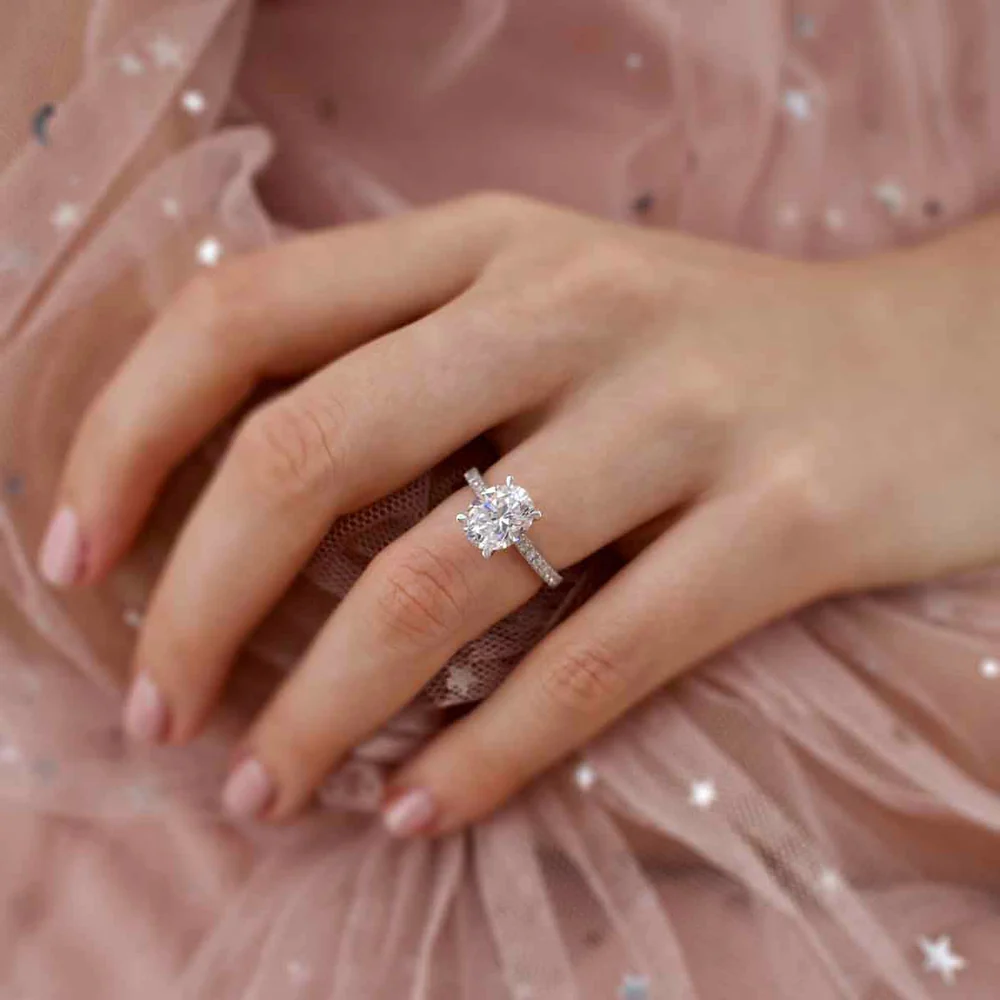
Discussions of enduring style sometimes include references to gold oval engagement rings, not as a focal point, but as an example of how classic proportions continue to feel relevant across cultures. Their visual appeal is rooted in balance rather than ornamentation, allowing them to sit comfortably within many different style narratives.
Timeless style also benefits from adaptability. Pieces that do not rely on seasonal cues or overt trends can move fluidly between settings. They respond to context rather than compete with it.
This adaptability is especially evident in cities known for strong visual identities. In Paris, style is less about display and more about cohesion. Items are chosen to work together, creating an overall impression rather than individual statements.
There is an ease that comes with this mindset. When style is approached as an extension of daily life rather than a performance, it becomes more durable. Choices feel grounded, and personal expression develops organically.
Visual consistency plays a key role here. When shapes, tones and textures align, the result feels calm and intentional. This consistency allows individual elements to evolve without disrupting the overall aesthetic.
Another defining feature of timeless style is its relationship with wear. Pieces are not preserved for special occasions. They are lived with. Over time, this familiarity deepens their appeal rather than diminishing it.
In cities that move quickly, this sense of continuity offers stability. Familiar forms act as visual anchors, grounding spaces and wardrobes alike. They provide a counterpoint to constant change.
Parisian style often reflects this balance. It acknowledges modernity without abandoning tradition. The focus remains on what feels appropriate rather than what feels new.
This approach translates well beyond fashion. It influences how homes are styled, how spaces are arranged and how personal environments are shaped. The same principles apply across scales.
Timelessness does not require perfection. In fact, it often embraces subtle imperfections. A piece that feels too pristine can appear static, while something slightly softened by time feels more approachable.
The enduring appeal of classic forms lies in their ability to age gracefully. They do not resist change. They absorb it.
This quality allows them to remain relevant across generations and geographies. They carry their appeal without needing explanation.
Ultimately, styles that transcend city boundaries do so because they are rooted in balance. They prioritise proportion, warmth and ease over novelty.
In a world increasingly shaped by fast trends and rapid turnover, this quiet consistency stands out. Not loudly, but confidently.
Perhaps that is why certain styles feel just as natural in Paris as they do elsewhere. They are not defined by place, but by a way of seeing that values clarity, restraint and lasting appeal.
And in that way, timeless style continues to travel well, wherever it finds itself.




Speak Your Mind