 My Favourites

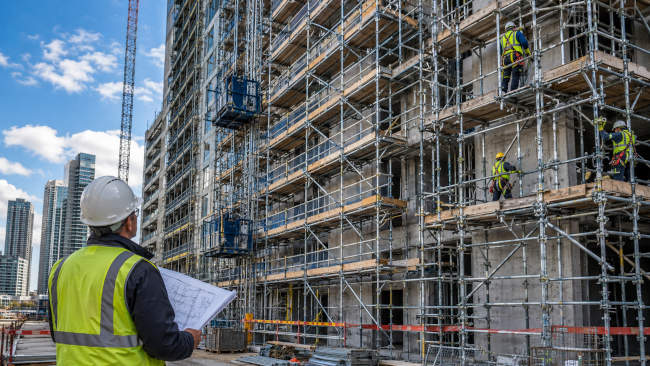
Picking the wrong scaffold system for a tall building doesn’t just slow progress; it creates serious safety risks. Multi-story and high-rise structures demand access solutions that basic aluminum towers can’t provide on their own. So you need to know which systems actually hold up under height, load, and wind force before you settle on one.
Understanding Scaffold Tower Types for High-Rise Construction
Selecting scaffold towers for high-rise construction involves more than choosing the tallest option available. Contractors often compare suppliers such as Lakeside Hire, FTH Hire Group, and other access equipment providers when looking for tower systems suited to taller jobs. Still, the right choice depends on the building height, facade shape, ground conditions, access points, and how the platform will be used on site. You need to understand what each scaffold system can deliver structurally and operationally before making a decision. That is what we will cover here.
How Multi-Storey Buildings Differ in Scaffolding Requirements
Multi-story and high-rise buildings create access challenges that ground-level or single-story work doesn’t touch. Wind loading on the scaffold grows sharply as you go higher, meaning your system must resist lateral forces that scale with altitude. A standard mobile aluminum tower handles a three-story domestic extension reasonably well. But jump five stories? You’re operating under entirely different rules. Your scaffold engineer (not your foreman) must calculate tie spacing, dictate tie-back intervals to the building structure, and review the base footprint for stability; a narrow base under heavy load at height breeds instability that no outrigger tweak fixes. Add debris netting, edge protection, and loading bays into the mix, and the structural load climbs further. The scaffold that worked fine on a two-story residential job won’t cut it on a six-story commercial facade.
Performance Characteristics of High-Rise Scaffold Systems
Any scaffold type chosen for multi-story or high-rise work must clear several performance hurdles. It needs load-bearing capacity across all working lifts at once, not just the top platform. The system must permit progressive tie-back as the scaffold climbs; no unsupported height should exceed the permitted freestanding limit for that product and setup. Progressive loading from materials, staff, and plant has to be accommodated across multiple levels simultaneously. Edge protection and fall-arrest gear must integrate without improvised tweaks that break the engineered design. Materials and connections must hold through temperature swings, weather exposure, and vibration from nearby construction. A scaffold that clears only some of these marks is dangerous on a tall-building site; cost and familiarity on smaller jobs don’t change that.
Comparing Scaffold Tower Options for Tall Building Projects
Not every scaffold type performs the same way once you go beyond lower storeys; gaps widen as height climbs. Tube and coupler scaffolding and prefabricated modular systems are the two main contenders for multi-story or high-rise work, and they deliver very different performance profiles.
Tube and Coupler Scaffolding vs. Modular Systems for Height and Stability
Tube and coupler scaffolding remains the traditional route for irregular or tall structures, and with good reason. Each part is standalone, so you can shape the scaffold around irregular facades, awkward setbacks, or unusual floor heights without bending the design. Right-angle and swivel couplers let you achieve nearly any geometry; tie-backs can go practically anywhere along the scaffold face. On high-rise jobs, that flexibility matters. The catch is labour. The tube and coupler take much longer to assemble and strip than modular ones, and they demand real skill from your scaffolding crew. Modular systems use prefabricated frames or ledger-and-standard units with proprietary connections that snap together fast. A straightforward, regular facade goes up quicker, creates less waste, and is inspected more easily thanks to standardized connections. But you lose adaptability; modular systems work fine at height on regular buildings, yet stumble around irregular architecture without serious custom engineering.
Load-Bearing Capacity and Safety Standards for Multi-Storey Work
Load-bearing capacity isn’t guesswork on a high-rise scaffold. You calculate it and document it. In the UK, scaffold design for structures above certain heights must follow BS EN 12811-1, which defines performance requirements for temporary works structures and permissible loads per working platform. A heavy-duty modular scaffold rated to 6 kN/m² per bay gives far more headroom for stored materials and plant than a lighter system at 2 kN/m²; that gap becomes critical on multi-storey sites where multiple lifts load simultaneously. Tube and coupler systems, when properly engineered, reach very high load ratings because the design is project-specific. Modular systems ship with manufacturer load tables you can’t breach without voiding the design. Both must comply with the Work at Height Regulations 2005 and the Construction (Design and Management) Regulations 2015, which bind principal contractors and designers to verify the scaffold spec matches actual loads and heights on the job.
Selecting the Most Suitable Scaffold Tower for Your High-Rise Application
There’s no one-size-fits-all answer to which scaffold tower type works best for multi-story or high-rise buildings. The right choice hinges on building height, facade shape, timeline, load needs, and your contractor’s skill.
Practical Considerations When Choosing Between Scaffold Types
Walk through these points with your scaffolding contractor and with a temporary works engineer if the job calls for one:
- Building height: Above five stories, both tube and coupler and modular systems need engineered tie designs. Confirm your system has documented tie-back details for your height range.
- Facade complexity: Tube and coupler win on irregular facades, curves, or recesses; modular thrives on clean, flat surfaces.
- Program speed: Modular erects faster on straightforward jobs. Tight timeline + regular building = modular often gets the nod.
- Load requirements: Calculate the maximum distributed load per platform from actual work at each lift, then verify the system’s rated capacity covers it.
- Contractor competence: Tube and coupler demand more skilled labour and tighter oversight. Check for NASC membership and valid CISRS cards for operatives.
- Temporary works coordination: CDM 2015 jobs need a temporary works coordinator to sign off on the design. Build this into your schedule.
No scaffold type wins across the board. The right one matches your project’s structural demands, timeline, and conditions, and it’s designed and built by people who know the product’s actual limits.
Conclusion
Picking a scaffold tower for multi-story or high-rise buildings is a structural and safety call, not merely a purchasing decision. Tube and coupler systems deliver the adaptability complex or irregular tall structures need; modular systems bring speed and consistency to straightforward facades. Whichever you pick, it’s got to be engineered for your project’s specific loads, heights, and tie requirements and fully comply with BS EN 12811-1, the Work at Height Regulations 2005, and CDM 2015. Get the scaffold type right, and your high-rise program rests on much firmer ground.





Speak Your Mind