 My Favourites

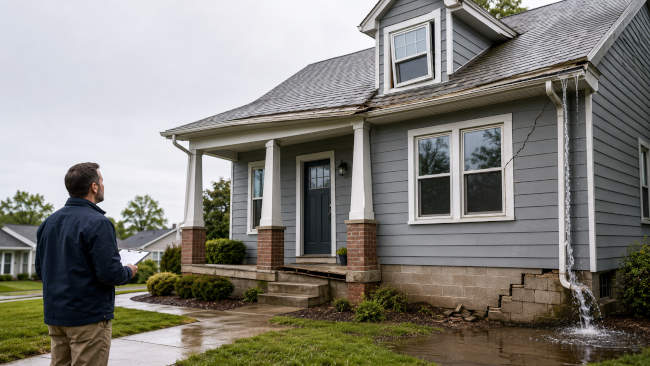
A home is one of the most significant investments most people will ever make. Protecting that investment goes well beyond maintaining the paint or keeping the garden tidy. It means paying close attention to the structural health of the building itself. Structural problems rarely appear without warning. They develop gradually, leaving behind a trail of subtle signs that a watchful homeowner can learn to recognise. Catching them early is the difference between a straightforward repair and a costly, drawn-out crisis that threatens both the safety of the occupants and the long-term value of the property.
For homeowners who want to stay ahead of potential problems, working with a trusted inspection and remediation service is a sensible first step. Relying on experts like Bluebird CFW provides the professional guidance needed to assess warning signs accurately and recommend effective action before minor concerns escalate. Many structural problems are not visible on the surface at all. They exist within wall cavities, beneath floor coverings, or deep within the foundation system where an untrained eye simply cannot reach.
What Structural Problems Actually Mean
Before examining specific warning signs, it helps to understand what a structural problem actually is. The term refers to any defect or deterioration affecting the load-bearing elements of a home: the foundation, the framing, the load-bearing walls, the floor joists, the roof structure, and the connections between them. These are the components that keep the building standing, distribute its weight safely to the ground, and resist the forces of wind, rain, and seismic activity. When any one of them is compromised, the effects can ripple through the entire system. A crack in a foundation wall may look minor, but left unaddressed, it can allow water to enter, weaken the surrounding soil, cause further settlement, and place stress on the framing above. That cascading sequence becomes exponentially more expensive to reverse the longer it continues.
Foundation Warning Signs
The foundation is the most critical structural element of any home, and also one of the most vulnerable. It faces constant pressure from the soil around it, the weight of the building above, and the movement of water both beneath and beside it. Cracks are among the clearest early indicators of foundation trouble, though not all cracks carry the same weight. Hairline cracks in poured concrete are often the result of normal curing shrinkage and are generally not a cause for concern. Diagonal cracks running at roughly 45-degree angles from the corners of windows and doors, horizontal cracks in basement or crawl space walls, and stair-step cracks in brick or block foundations are a different matter. These are the visible signs of structural issues that point to differential settlement or lateral soil pressure, both of which require professional evaluation before they worsen.
Beyond cracking, homeowners should watch for bowing or bulging in foundation walls, which indicates inward pressure from the surrounding soil. White, chalky deposits on masonry surfaces, known as efflorescence, signal that water is moving through the wall and dissolving minerals as it goes. Persistent dampness or pooling water in a basement or crawl space is another red flag. Moisture is one of the primary drivers of foundation deterioration, wood rot, and mold growth, and it rarely resolves on its own.
Doors, Windows, and Interior Gaps
The behaviour of doors and windows is one of the most reliable interior indicators of structural movement. In a sound home, doors open and close smoothly, latches engage cleanly, and frames sit square within their openings. When the structure begins to shift, these are often the first elements to show it. Doors that suddenly stick, drag along the floor, or refuse to latch without force are a common symptom of foundation settlement or framing movement. Windows that no longer operate properly, or that develop visible gaps between the frame and the surrounding wall, tell a similar story. These changes can develop slowly over months or years, so any shift in how these fixtures behave is worth noting, even if the difference seems small at first.
Inside the home, look carefully at the junctions where walls meet ceilings and floors. Gaps or separations at these joints suggest that structural components are pulling apart. Diagonal cracks running from the corners of door frames or window openings toward the ceiling are particularly significant, as they follow the lines of stress in the wall framing. Nail pops, where drywall screws or nails push through the surface finish, are another common symptom of framing movement and should not be dismissed as cosmetic issues.
Floors, Ceilings, and Roof Structure
Floors can reveal a great deal about the condition of the structure beneath them. A floor that slopes noticeably, bounces underfoot, or feels soft in certain areas may indicate that the floor joists or supporting beams have been compromised by moisture damage, insect infestation, or excessive loading. Some degree of natural settlement is not uncommon in older homes, but any slope that is clearly perceptible when walking across a room warrants a closer inspection. Squeaking floors can also point to loose or deteriorating subfloor connections, which, while not always a structural emergency, may indicate broader issues with the floor system.
Overhead, the ceiling and roof structure offer their own clues. A sagging ceiling can indicate that the roof structure is under stress, that a load-bearing wall has been incorrectly removed during a renovation, or that water damage has weakened the structural members above. Outside, walk around the perimeter and observe the roofline from a distance. A ridge that sags in the middle or dips at one end is a sign that the roof structure is failing. Investing in a new roof when these signs appear can prevent further water ingress and protect the structural elements below from the cumulative damage that prolonged moisture exposure causes.
Exterior Masonry and Drainage
The exterior of a home provides a wealth of information about its structural health. In brick or stone-clad homes, stair-step cracking in the mortar joints follows the weakest path through the masonry and indicates differential settlement. Sections of brick or cladding that appear to be pulling away from the main structure, or mortar that crumbles easily when probed, suggest that the wall ties or the substrate behind the cladding may be failing. Render or stucco finishes that show widespread cracking, bubbling, or delamination are also worth investigating, as they can conceal significant moisture damage to the structure behind them.
Drainage is a factor many homeowners overlook until it is too late. Water is the single most destructive force acting on a residential structure over time. Blocked gutters, downspouts that discharge close to the foundation, and landscaping that slopes toward the house rather than away from it all contribute to water accumulation around the base of the building. That water saturates the soil, increases pressure against foundation walls, and can eventually cause them to crack, bow, or fail. Ensuring the site drains effectively away from the building is one of the simplest and most cost-effective preventative measures available to any homeowner.
When to Call a Professional
Regular visual inspections are valuable, but there is a clear limit to what the untrained eye can assess with confidence. A qualified structural engineer or foundation specialist has the training, experience, and equipment to conduct a thorough assessment, identify the root cause of any symptoms, and recommend a proportionate remedy. It is also important to resist the temptation to carry out DIY repairs on structural elements. Patching a crack with filler hides the symptom without addressing the cause, and may make it harder for a professional to assess the true extent of the problem later.
When significant structural work is required, hiring a home improvement contractor with specific experience in structural remediation is essential. A properly qualified contractor will ensure that all work meets current building codes, is carried out safely, and is backed by appropriate warranties. Choosing the right contractor requires careful research: verify licensing and insurance, ask for references from previous structural projects, and obtain multiple quotes before committing to any significant work. The cost of professional remediation, while sometimes substantial, is invariably less than the cost of allowing a structural problem to progress unchecked.
Conclusion
Structural problems are among the most serious issues a homeowner can face, but they are rarely sudden. They announce themselves through a sequence of progressive warning signs: cracks in walls and foundations, sticking doors and windows, uneven floors, sagging rooflines, and persistent moisture. Learning to recognise these signs early and responding to them promptly protects both the safety of the people living in the home and the long-term value of the investment. Regular self-inspections, combined with periodic professional assessments, provide the most reliable defence against the slow deterioration that underlies most structural failures. Act early, act decisively, and seek expert advice when in doubt.





Speak Your Mind