 My Favourites

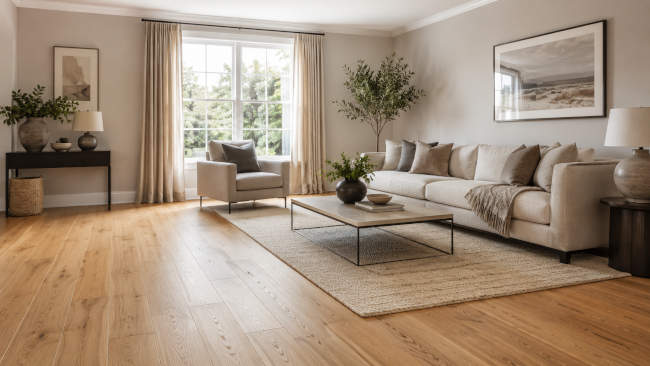
Engineered wood floors bring warmth and character to any room, but they only look their best when paired with the right wall colours and furniture. Many homeowners struggle to create a balanced look because they don’t know how to work with their floor’s undertones or choose colours that complement rather than clash. The key to success lies in understanding your floor’s undertones, selecting wall colours that match those tones, and coordinating furniture to create a cohesive space.
The process becomes much easier once you understand a few basic principles about colour matching and design balance. Neutral walls like white, light grey, or cream work well with most wood floors, but the specific shade depends on whether your floor has warm honey tones or cool grey undertones. Furniture choices should bridge the gap between floors and walls to tie the entire room together.
This guide walks through the key principles and practical steps needed to match engineered wood floors with walls and furniture. Readers will learn how to identify undertones in their floors, select complementary wall colours, and choose furniture that creates a harmonious look throughout the space.
Key Principles for Matching Engineered Wood Flooring With Wall Colours and Furniture
Success depends on three main factors: the undertones in your flooring, how colours work together, and the balance between warm and cool elements in your space.
Understanding Undertones of Engineered Wood Flooring
Every piece of wood carries undertones that influence how it looks in different light. These undertones fall into three categories: red, yellow or grey. Red undertones appear in cherry and mahogany varieties. Yellow undertones show up in oak and maple. Grey undertones exist in ash and weathered finishes.
Engineered wood floors with real wood finishes display these natural characteristics just like solid wood. The veneer layer determines the undertone you see. Hold a white piece of paper next to your flooring sample. The colour that reflects back reveals the undertone.
Light changes how undertones appear throughout the day. Natural light brings out true colours. Artificial light can shift them. Test samples in the actual room at different times before you make a final choice.
Identifying Complementary and Contrasting Colour Schemes
Complementary colours sit opposite each other on the colour wheel. They create visual interest without clash. Wood with red undertones pairs well with soft greens or blues. Yellow-toned wood works with purple or violet hues. Grey-toned wood matches nearly any colour.
Contrast refers to the difference in lightness between the floor and walls. Light floors with dark walls make rooms feel bold and modern. Dark floors with light walls create classic elegance. Medium-toned floors offer flexibility for both approaches.
Analogous schemes use colours next to each other on the wheel. A honey-toned floor looks natural with warm beige, cream or soft peach walls. This approach feels calm and unified. It works well in bedrooms and relaxation spaces.
Balancing Warm and Cool Tones Across Interiors
Room temperature comes from colour, not climate control. Warm tones include reds, oranges and yellows. Cool tones cover blues, greens and purples. The mix between these affects how comfortable a space feels.
A room with warm wood floors needs some cool elements to avoid feeling too heavy. Add cool grey furniture or blue-toned accessories. The reverse applies to cool-toned grey floors. Warm ochre walls or rust-coloured textiles add needed warmth.
Different rooms serve different purposes. Living areas benefit from warm tones that encourage conversation and gathering. Bedrooms and bathrooms feel more restful with cool tones that promote relaxation. Consider how you use each space before you decide on colour temperature.
Step-by-Step Guide to Harmonising Flooring, Walls and Furnishings
The right combination of wall colours, furniture choices and accessories creates a balanced space that complements engineered wood flooring. Each element works together to highlight the wood’s natural beauty while maintaining visual harmony throughout the room.
Selecting Suitable Wall Colours for Different Wood Finishes
Light-toned engineered wood pairs well with crisp white or soft pastel walls. These combinations create an airy feel and make rooms appear larger. For a warmer effect, homeowners can select cream or beige shades that echo the subtle tones in pale oak or birch flooring.
Medium wood tones offer more flexibility with wall colours. Soft grey, sage green or warm taupe complement these finishes without overpowering them. These neutral choices allow the wood’s grain patterns to stand out. Additionally, earthy colours such as terracotta or muted olive work well with honey-toned woods.
Dark engineered wood creates dramatic contrast with light-coloured walls. Pure white, pale grey or ivory walls brighten spaces with rich walnut or mahogany flooring. For those who prefer depth, navy blue or charcoal walls pair beautifully with dark floors. However, this approach works best in rooms with adequate natural light.
The undertones in both flooring and paint matter significantly. Cool-toned grey floors match walls with blue or purple undertones. Warm wood with red or yellow undertones pairs with walls that have similar warm bases. This consistency prevents clashing and creates a unified appearance.
Coordinating Furniture Styles and Materials With Wood Flooring
Furniture materials should complement rather than compete with engineered wood flooring. Natural materials like linen, cotton and leather soften the space and add textural variety. Metal accents in furniture legs or hardware provide contrast without disrupting the overall palette.
Light wood floors pair well with furniture in both light and dark finishes. White or cream upholstered pieces maintain an open feel, whilst dark wood furniture creates definition and grounds the space. For medium-toned floors, furniture in complementary wood tones works best. However, homeowners should avoid matching furniture too closely to the flooring, as this creates a flat appearance.
Dark engineered wood benefits from lighter furniture pieces that prevent the room from feeling heavy. Pale upholstery, glass tables or light-finished wood furniture balance the richness of dark floors. Alternatively, strategic placement of dark furniture pieces can create visual anchors in specific areas.
The style of furniture should reflect the character of the wood. Traditional wood grains suit classic furniture profiles, whereas sleek engineered woods with minimal grain work well with modern, streamlined pieces. Mixing styles requires careful attention to proportion and scale to maintain balance.
Accentuating Spaces With Accessories and Textiles
Textiles add warmth and complete the connection between flooring and walls. Area rugs introduce colour, pattern and texture whilst protecting high-traffic zones. Rugs should incorporate colours from both the flooring and walls to tie the scheme together. For light floors, rugs in medium tones prevent the space from appearing washed out.
Cushions, throws and curtains offer opportunities to layer additional textures. Natural fibres like wool, jute, or cotton complement wood’s organic quality. These soft elements contrast with the hardness of wood and create a comfortable atmosphere. Furthermore, they allow for seasonal changes without major redecoration.
Accessories in metal, ceramic or glass finishes add visual interest. Decorative items should pick up accent colours from the overall scheme rather than introduce entirely new hues. For instance, copper accents suit warm-toned woods, whilst brushed nickel complements cooler floors. Plants and greenery work universally well, as they bring life to any combination of wood and wall colours.
Artwork and wall decorations bridge the gap between floor and ceiling. Frames in wood tones that echo the flooring create subtle connections, whilst contrasting frame colours add definition. The key lies in repeating certain elements throughout the space to achieve a cohesive look without monotony.
Conclusion
Pairing engineered wood floors with the right wall colours and furniture creates a balanced and attractive space. Light floors work well with soft or bold wall tones, while dark floors pair best with lighter shades to prevent rooms from feeling too heavy. The key is to identify your floor’s undertones and select colours that either complement or contrast with them. Consider how furniture fits into the overall scheme, as each piece should connect the floor and walls together. With thoughtful choices, any room can feel both stylish and comfortable.





Speak Your Mind