 My Favourites

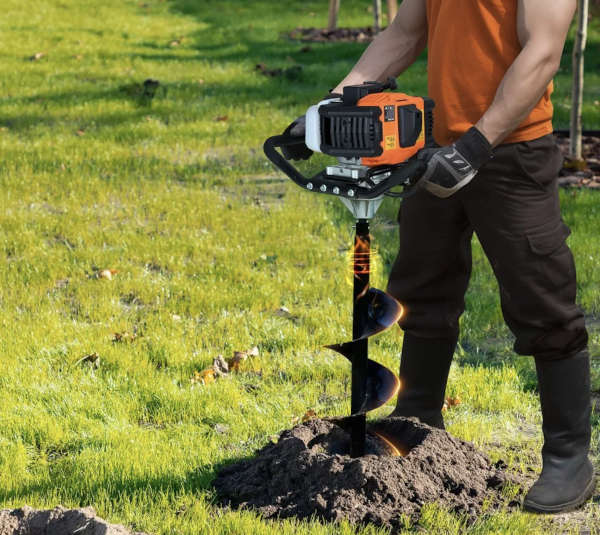
Many homeowners and gardeners look for tools that make outdoor projects faster and easier. An earth auger offers an efficient way to dig holes with accuracy and far less effort than manual digging. It can handle everything from building sturdy structures to preparing soil for planting, which makes it a practical addition to any tool collection.
An earth auger helps people complete common yard and garden tasks more efficiently, saving both time and physical effort. With its power and precision, it simplifies heavy work such as setting fence posts, planting trees and improving soil quality. By understanding how to use it effectively, anyone can achieve cleaner results and maintain a more organized outdoor space.
1. Installing fence posts quickly and accurately
Installing fence posts with precision helps a fence stay straight and secure for years. Many homeowners use earth augers because they cut through soil faster than manual post-hole diggers. These tools form uniform holes, which reduces the chance of uneven posts or misaligned fencing.
To start, users should mark the exact post locations and check alignment before drilling. An auger bit that matches the post size keeps the holes consistent and prevents loose fits. This speeds up the process and saves energy compared to digging with a shovel.
Hard or rocky soil can slow progress, but steady pressure and the right bit size usually handle most conditions. After drilling, adding gravel at the base of each hole improves drainage and stability. With proper setup and attention to depth, homeowners can complete fence installations efficiently and with accurate results.
2. Drilling holes for deck footings and supports
An earth auger helps create uniform holes for deck footings and posts with less effort than manual digging. It cuts cleanly through soil, which saves time and reduces strain during foundation work. A cordless or gas-powered model allows users to handle multiple holes quickly in different areas of the yard.
Deck footings need solid, even bases to prevent movement over time. After each hole is drilled, the bottom should be cleared of loose soil for better concrete support. A post hole digger or shovel can smooth the sides and compress the soil at the base.
Homeowners often rent one-person or two-person augers, depending on hole width and soil type. A two-person unit works better in heavy or compacted ground, while smaller drills suit lighter soil. Before starting, they should confirm local building codes and required depths, which vary based on frost line and design. This step helps the structure remain stable through seasonal changes.
3. Planting trees, shrubs and large plants
An earth auger helps create wide, even holes that support strong root growth. It drills through soil quickly, which saves time compared to digging by hand. This tool also produces cleaner edges that make it easier to set plants at the right depth.
The auger size matters. A four- or five-inch bit works for smaller shrubs, while larger augers handle trees and container plants up to several gallons. The hole should match the depth of the root ball and measure about two to three times its width. In dense soil, a wider hole allows roots to spread more easily.
After drilling, loose soil around the hole promotes healthy root contact. Homeowners can place the plant straight, fill in the soil gently, and water to remove air pockets. Adding mulch on top helps retain moisture and protect against temperature changes. This method creates stable growth conditions without heavy manual digging.
4. Preparing holes for garden beds and landscaping
An earth auger helps homeowners and gardeners create even, well-shaped holes for garden beds or landscape features. It digs deeper and straighter than a shovel, which helps plants grow with stronger roots and better access to nutrients. The consistent size of each hole also gives a neat and organized look to the yard.
Soil type affects how easily the auger moves through the ground. Loose or sandy soil drills faster, while clay or rocky ground may need more pressure. By adjusting speed and applying steady force, users can prepare multiple holes with less strain than manual digging.
This tool also makes it easier to mix compost or fertilizer into the soil. After drilling, they can refill each hole with improved soil, setting the base for healthy plant growth. For garden beds, this process saves time and allows for quick adjustments to spacing or depth based on plant needs.
5. Soil aeration to improve plant health
Soil aeration allows air, moisture, and nutrients to reach plant roots more easily. Over time, soil can compact and block air spaces that plants need for healthy growth. Using an earth auger to drill small holes can open the soil and let roots expand naturally.
This process reduces water runoff and improves drainage, especially in clay-heavy or compact yards. As a result, plants develop stronger root systems and absorb nutrients more efficiently. Homeowners often notice greener lawns and more consistent plant growth after regular aeration.
An auger also allows gardeners to target specific areas that hold excess water or grow poorly. Rather than loosening the entire yard, they can focus on problem spots. This helps keep the soil balanced and easier to manage in future planting seasons.





Speak Your Mind