 My Favourites


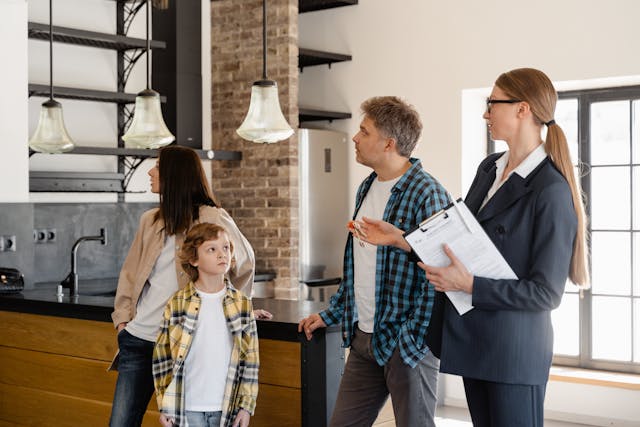
Most buyers decide how they feel about a home far earlier than they admit. Sometimes it happens before the front door opens.
Sometimes it’s halfway down the hallway, when the space feels cared for instead of simply occupied. Budget DIY projects work when they support that emotional shift. Not by hiding flaws, but by removing distractions that stop people from imagining themselves living there.
These projects are not about flipping a house into something unrecognizable. They are about small, deliberate upgrades that quietly raise confidence. The kind of improvements that hold up during photos, walkthroughs, and especially during an open house showing, when several buyers are comparing details in real time.
Fresh Paint That Resets the Entire Space
Paint remains the most reliable DIY upgrade for a reason. It’s affordable, fast, and deeply psychological. Color sets expectations before buyers notice layouts or finishes.
Before jumping into specific areas, it’s important to understand that paint works best as a unifier. Buyers respond to homes that feel cohesive, not creative experiments room by room.
Neutral walls that invite imagination
Neutral does not mean bland. Soft whites, light greiges, and muted warm tones help rooms feel larger and cleaner without demanding attention. Buyers don’t want to be impressed by your taste; they want space for their own.
Fresh paint removes scuffs, nail holes, and uneven patches that quietly signal neglect. Those small marks rarely get mentioned out loud, but they influence perception immediately.
Doors and trim as quiet upgrades
Painting trim, doors, and baseboards often has more impact than walls. Clean white or soft off-white trim frames rooms sharply and makes everything feel intentional. It’s the difference between “fine” and “well maintained,” especially in older homes.
Lighting Improvements That Change the Mood Instantly
Lighting shapes how buyers experience space more than square footage ever could. Poor lighting flattens rooms. Thoughtful lighting adds depth and warmth without major expense.
Before replacing fixtures, start by paying attention to how light moves through the home during different times of day.
Swapping outdated fixtures for modern basics
Old fixtures age a home instantly. Replacing them with simple, modern designs brings everything into the present without overpowering the space. This applies especially to entryways, dining areas, and hallways.
Buyers rarely remember specific fixtures, but they notice when lighting feels intentional instead of leftover.
Layering light instead of relying on overheads
Adding table lamps, floor lamps, or under-cabinet lighting creates a lived-in feel that photographs well and feels welcoming during showings. This becomes especially important during evening viewings or cloudy days.
Good lighting softens corners and reduces the visual weight of flaws buyers might otherwise fixate on.
Kitchen Updates That Focus on What Buyers Touch
Full kitchen renovations rarely pay off on tight budgets. Targeted DIY upgrades, however, can change how buyers feel about the space without changing its footprint.
The key is focusing on elements buyers interact with directly.
Cabinet hardware that modernizes instantly
Replacing cabinet handles and knobs is inexpensive and surprisingly transformative. Matte black, brushed brass, or simple stainless finishes work across many styles and feel current without trend overload.
Consistency matters here. Mixed hardware signals indecision rather than character.
Refreshing surfaces without replacement
Peel-and-stick backsplashes, countertop refinishing kits, and deep grout cleaning all improve appearance without major cost. Buyers don’t need perfection. They need reassurance that the kitchen won’t demand immediate work.
These changes photograph well and hold up under close inspection.
Bathroom Tweaks That Suggest Care and Cleanliness
Bathrooms sell trust. Buyers read them as indicators of how the rest of the house has been treated. Even small issues feel amplified here.
Before starting, approach bathrooms with restraint. Too many changes can feel forced.
Replacing fixtures for consistency
New faucets, showerheads, and towel bars instantly modernize bathrooms. Matching finishes across fixtures creates cohesion and avoids the pieced-together look that raises doubts.
Water efficiency upgrades also appeal quietly, especially to practical buyers.
Regrouting and recaulking for visual clarity
Fresh grout and clean caulk lines signal maintenance without saying a word. These details matter during walk-throughs, when buyers linger and look closely.
This project takes time more than money, and the payoff is disproportionate to the effort.
Entryway Improvements That Set Expectations Early
First impressions rarely recover. The entryway frames the entire experience, especially during open house showings when multiple people enter back-to-back and form opinions quickly.
This area benefits from simplicity and function.
Decluttering and defining space
Clear the entryway of excess furniture, shoes, and personal items. Add a small bench, mirror, or console table if the space allows, giving buyers a clear sense of purpose.
Defined entry spaces feel larger and more welcoming, even when square footage stays the same.
Front door refresh that anchors the exterior
A freshly painted front door, new hardware, or updated house numbers adds confidence before buyers step inside. This small investment sets a tone of care and readiness.
Exterior impressions linger longer than sellers expect.
Flooring Touch-Ups That Remove Visual Noise
Replacing flooring entirely rarely fits a budget DIY plan. Improving what’s already there often does.
The goal is reducing visual interruptions that pull attention away from the home’s strengths.
Deep cleaning and repair where possible
Professional-level cleaning, minor repairs, and consistent finishes across rooms make floors feel intentional. Scratches and stains draw the eye more than buyers admit.
Area rugs can help define spaces while masking imperfections without hiding problems.
Transition strips and consistency
Replacing worn or mismatched transition strips between rooms improves flow. These small details matter subconsciously and suggest thoughtful upkeep rather than patchwork fixes.
Outdoor Fixes That Extend the Living Space
Buyers increasingly value outdoor areas, even modest ones. DIY projects here don’t need landscaping overhauls to be effective.
The goal is usability, not perfection.
Simple landscaping for structure
Trimming bushes, edging walkways, and adding fresh mulch creates clean lines that feel manageable. Buyers respond better to tidy simplicity than ambitious garden plans.
Outdoor spaces should feel easy to maintain, not like obligations.
Creating a hint of lifestyle
A small seating area, clean patio, or defined yard space helps buyers imagine daily life beyond the interior. Even minimal setups influence emotional connection.
This matters especially for buyers comparing multiple homes quickly.
Why These Projects Work Together
Each of these DIY upgrades succeeds because it removes friction. Buyers stop noticing problems and start noticing possibilities. That shift is subtle but powerful.
These projects don’t overwhelm or distract. They support a narrative of care, consistency, and readiness.
Buyers aren’t counting upgrades, they’re assessing risk
Homes that feel maintained reduce perceived risk. Buyers worry less about hidden costs and future surprises. That confidence often translates into stronger offers and smoother negotiations.
DIY projects work when they lower mental barriers, not when they chase trends.
Consistency beats novelty every time
A cohesive home feels easier to live in. Matching finishes, clean transitions, and neutral backdrops help buyers move through the space without mental friction.
That ease matters more than standout features.
Turning Effort into Leverage
Budget DIY projects aren’t about cutting corners. They’re about directing effort where it matters most. When done thoughtfully, these upgrades support pricing, reduce time on market, and improve how buyers talk about the home after they leave.
The most effective projects don’t announce themselves. They simply make the house feel right. When buyers walk out discussing light, flow, and comfort instead of repairs, the work has done its job.






Speak Your Mind